
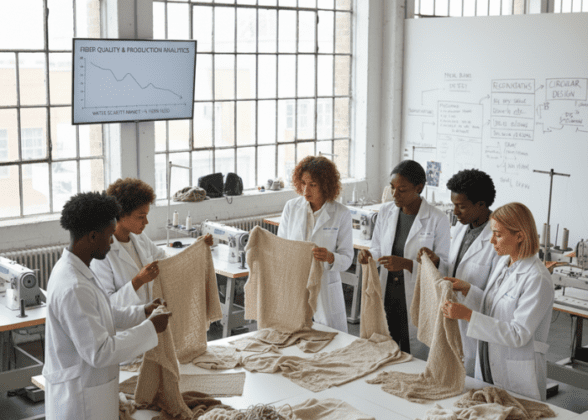
Climate change is reshaping the fashion industry, forcing designers and manufacturers to rethink materials, production methods, and supply chain strategies. How climate change is affecting fabric choices and fashion production is becoming a critical question as extreme weather, resource scarcity, and shifting consumer expectations continue to challenge traditional supply chains worldwide. Brands are increasingly seeking fabrics that are durable, adaptable, and able to withstand environmental changes while maintaining quality and style.
Impact on Natural Fibers
Natural fibers such as cotton, linen, and wool are highly sensitive to climate conditions. Erratic rainfall, prolonged droughts, and rising temperatures affect crop yields, fiber quality, and consistency. For example, cotton grown in drought-prone regions may be weaker or less uniform, forcing designers to consider alternative materials or blends. Moreover, wool production can be impacted by heat stress on sheep, leading to changes in fiber thickness, texture, and softness. As a result, fashion brands must explore resilient and versatile fabric options to maintain both quality and supply reliability. Learn More
Synthetic Fabrics and Sustainability
Synthetic fabrics like polyester and nylon are less affected by weather but present environmental challenges of their own. Rising demand for synthetic fibers to replace stressed natural fibers can increase microplastic pollution in waterways. Consequently, many fashion brands are experimenting with recycled materials, innovative synthetic blends, and biodegradable alternatives to balance durability with environmental responsibility. This shift demonstrates how climate change is influencing fabric choices and production methods, not just design trends and seasonal collections.
Adapting Fashion Production
Climate change pressures brands to adopt flexible and innovative production practices. Manufacturers are investing in water-efficient dyeing processes, renewable energy, and supply chains that can quickly adapt to extreme weather. Additionally, innovations such as plant-based fibers, regenerative textiles, and modular production techniques are helping fashion respond effectively to environmental challenges while meeting evolving consumer expectations and demands.
🌿 Shop with Waridi Online: Browse trendy fabrics, stylish collections, and versatile designs that fit your lifestyle at Waridi Online. Discover your next favorite outfit today!